2026 Enrolments Now Open! Flexible Payment Plans Available!

EVERY CHAMPION STARTS IN THE MIND
Empowering Athletes to Perform at Their Peak, On and Off the Field
THE TRUTH ABOUT WINNING
Behind every great performance is a strong mind. Behind every breakthrough is mental resilience. Behind every championship team is a culture that supports the whole athlete.
You train the body. But what about the mind?

Athletes face invisible battles every day:
The weight of expectations
The fear of failure
The pressure to be perfect
The loneliness of competition
Mental health is not a barrier to success. It's the foundation of it.
When athletes are mentally strong, they don't just perform better they thrive. They recover faster. They lead stronger. They last longer.
THE WORKSHOP
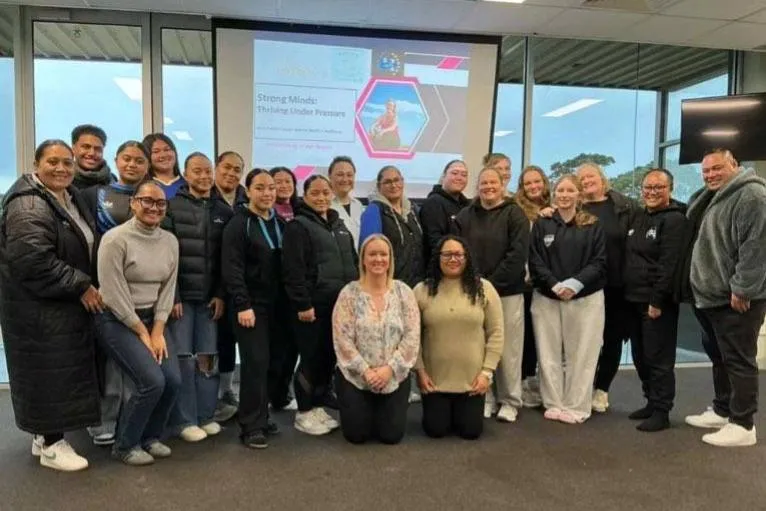
Dr. Kim Brown brings a transformative workshop to sports teams, academies, and organizations, one that changes how athletes think about mental health, performance, and potential.
This is not just education. It's empowerment.
What happens in this workshop:
Athletes discover that mental strength is a skill they can build
Teams learn to create cultures where vulnerability is courage
Coaches gain tools to recognize struggles and provide support
Everyone walks away with practical strategies they can use immediately
The result? Athletes who are resilient, confident, and equipped to handle whatever the game - or life - throws at them.
WHO THIS IS FOR:
You are
You want
Sports Teams
Athletes who perform under pressure and recover from setbacks
Academies
Young athletes who develop mental strength alongside physical skill
Coaches
To lead with both performance excellence and human understanding
Organization
A culture where athletes feel supported, not just pushed
Sports Mental Health Training Dates and Locations (2026)
Take the next step toward stronger mental performance
Upcoming Dates: July 12, 2026 (Sunday) - 10:00am - 4:00pm AEST
Your Mind Shapes Every Result You Create.
Learn how NLP helps you think, communicate, and perform at your highest level.

WHY THIS MATTERS NOW
The mental health crisis in sports is real. Athletes are stepping away. Burnout is rising. Anxiety is climbing.
But here's the opportunity: Organizations that invest in mental health now will lead the future of sports.
Because the best teams don't just win games. They develop people.
And when you develop people, when you give them the tools to be mentally strong, emotionally aware, and psychologically resilient, they don't just perform better.
They become unstoppable.
What you will gain:
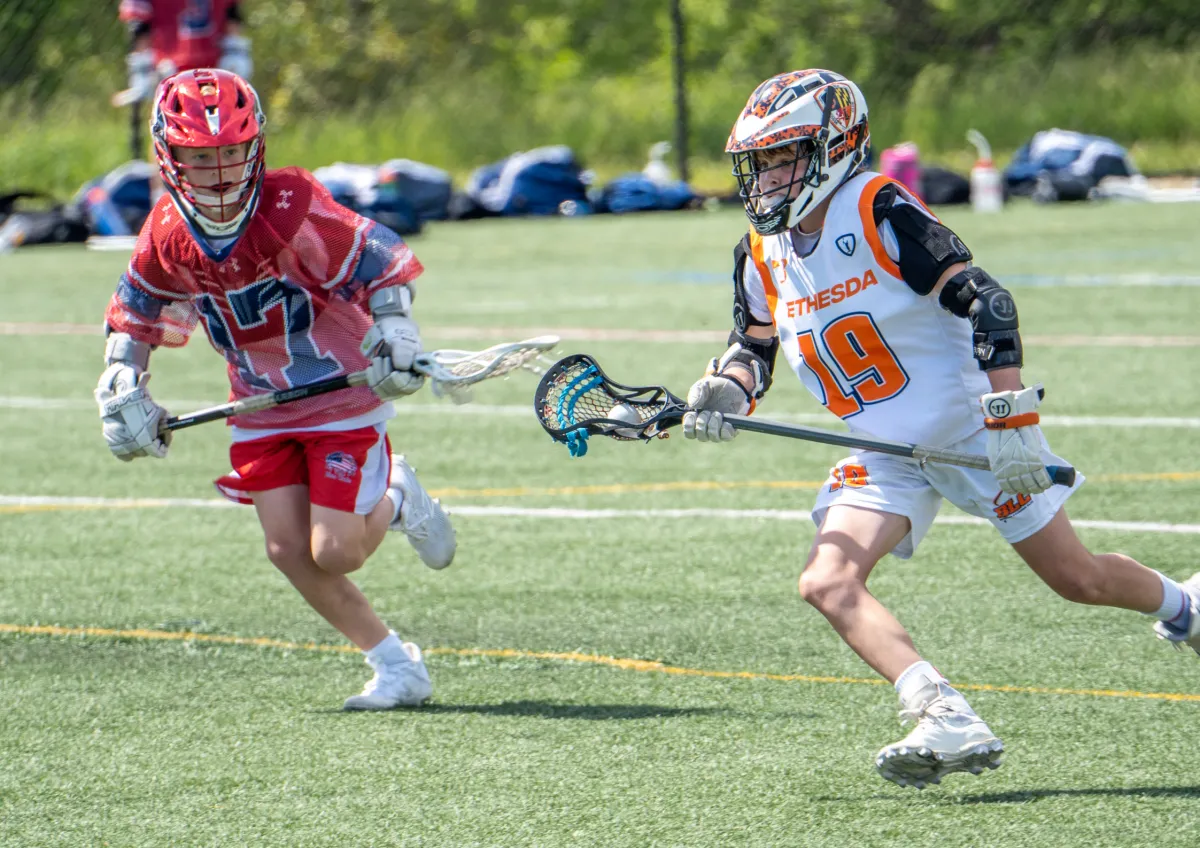


For Athletes
The confidence to face pressure without fear
Tools to manage anxiety and stay focused
Permission to be human, and still be elite
A mindset that sees challenges as opportunities
For Teams
Stronger bonds built on trust and openness
Communication that goes beyond tactics
A culture where mental health is normalized, not stigmatized
Higher retention because athletes feel valued, not just used
For Organizations:
A reputation as a place that develops the whole athlete
Long-term success built on sustainable practices
A competitive edge rooted in human excellence
Frequently Asked Questions
Why does our team need a mental health workshop? Aren't athletes supposed to be mentally tough?
Mental toughness isn't built by ignoring mental health, it's built by training it. Elite athletes face performance anxiety, pressure, burnout, and competition stress that directly impact results. This workshop gives athletes the same attention for their mental game that they already get for their physical training. Teams that invest in mental health see better performance, lower dropout rates, and stronger team cultures. Mental health isn't weakness it's the competitive edge most teams are missing.
Is this therapy, counseling, or clinical treatment?
No. This is performance education, not therapy. Dr. Kim Brown teaches practical mental health strategies designed specifically for athletes and sports environments. Athletes learn tools to manage pressure, build resilience, and perform under stress. Coaches learn to recognize warning signs and create supportive team cultures. If individual athletes need clinical support, the workshop helps normalize seeking it but the session itself is skills-based training, not treatment.
What if our athletes don't want to talk about mental health? Will this make them uncomfortable?
The workshop is designed to meet athletes where they are, not force vulnerability. Dr. Brown uses sports language, real examples, and interactive formats that feel relevant, not clinical. Athletes don't have to share personal struggles publicly. The goal is to normalize mental health as part of elite performance and give everyone tools they can use privately. Most teams report that athletes feel relieved someone finally addressed what they've been experiencing silently.
What results can we expect after this workshop?
Immediate:
Athletes have practical tools to manage anxiety and pressure the next day
Coaches know what warning signs to watch for
Team understands that mental health is normal, not taboo
Long-term:
Reduced burnout and dropout rates
Improved communication and trust within the team
Culture shift where asking for help is seen as strength
Performance improvements tied to mental resilience
This isn't a one-time fix, it's the foundation for building mentally strong athletes and sustainable high-performance cultures.
What age group is this program suitable for?
This program is designed to support athletes across different stages of development, from young athletes and teenagers through to elite and adult competitors. The tools and strategies are adapted to suit the athlete’s age, emotional maturity, sporting environment, and performance pressures. Parents and coaches are also encouraged to participate in the learning process to help create stronger emotional support systems around the athlete.
How can this program help parents and coaches better support their athletes?
This program helps parents and coaches understand the mental and emotional challenges athletes face, including pressure, confidence issues, anxiety, burnout, self-doubt, and performance stress. Through practical mindset tools, communication strategies, and emotional regulation techniques, parents and coaches learn how to better motivate, guide, and support athletes both on and off the field creating healthier relationships, stronger resilience, and improved performance outcomes.
You Don't Have to Carry This Alone
The pressure to perform, the weight of expectations, the fear of letting others down, athletes face unique mental challenges that most people never see. When the struggle becomes overwhelming, it can feel like there's no way out. But there is. And it starts with one conversation.
The Silent Crisis in Sports
The numbers tell a story that's often hidden:
Athletes are 2-3 times more likely to experience depression than the general population
1 in 3 collegiate athletes report symptoms of anxiety or depression
35% of elite athletes struggle with mental health disorders including depression, anxiety, and eating disorders
Among NCAA athletes, suicide is the 3rd leading cause of death during their college years
60-70% of athletes with depression don't recognize their symptoms as a mental health condition
Athletes often attribute symptoms to "overtraining," "pressure," or "weak mindset" rather than treatable depression
What Changes When You Have the Right Support
✓ Safe space to process pressure, without judgment, without performance metrics
✓ Tools to separate your worth from your wins - you are more than your sport
✓ Strategies for managing dark thoughts - before they become a crisis
✓ Connection to resources - therapists, hotlines, peer support when needed
✓ A plan that keeps you in the game - mentally, emotionally, and physically


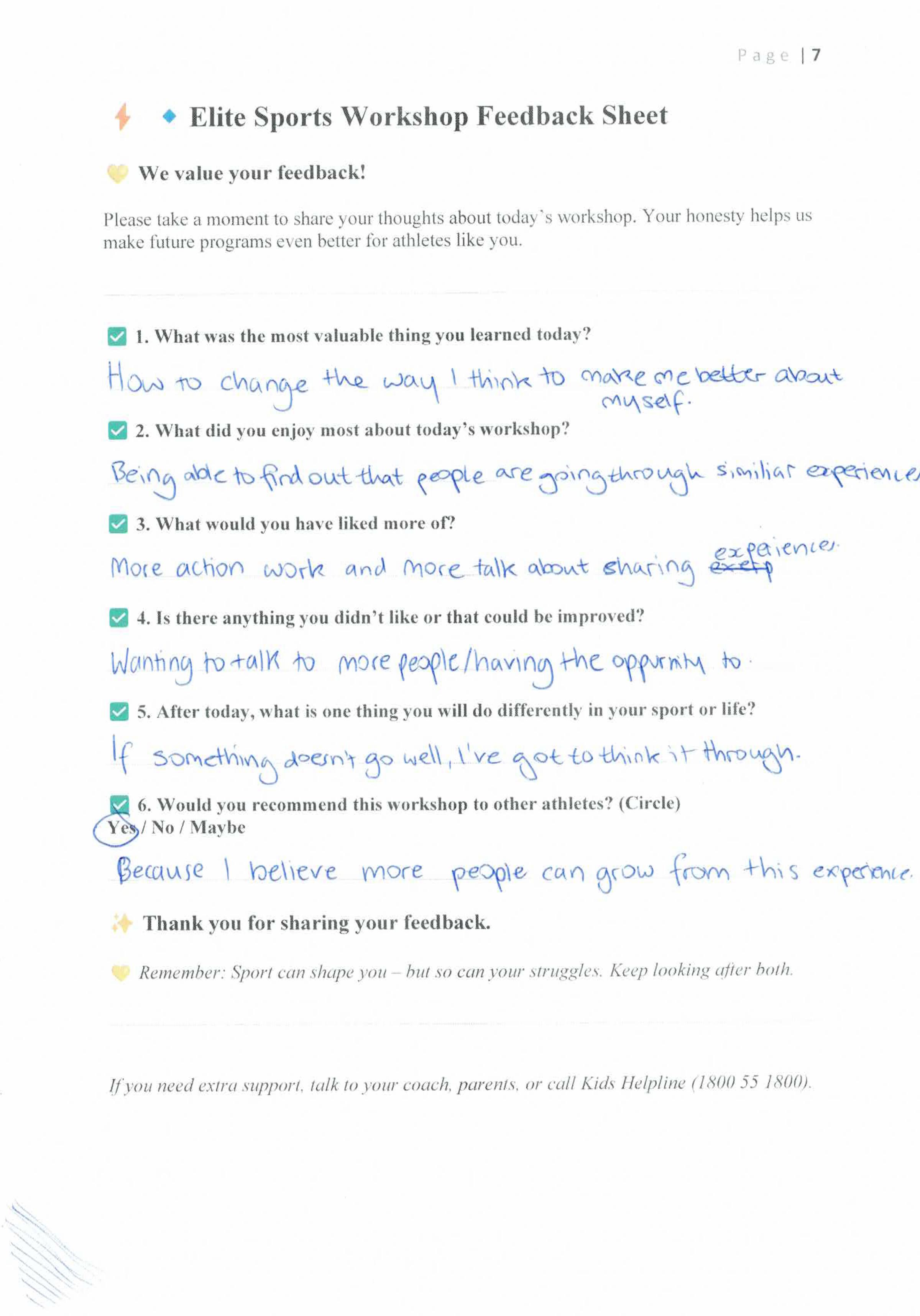
Here are some feedback from Athletes who have experience this program
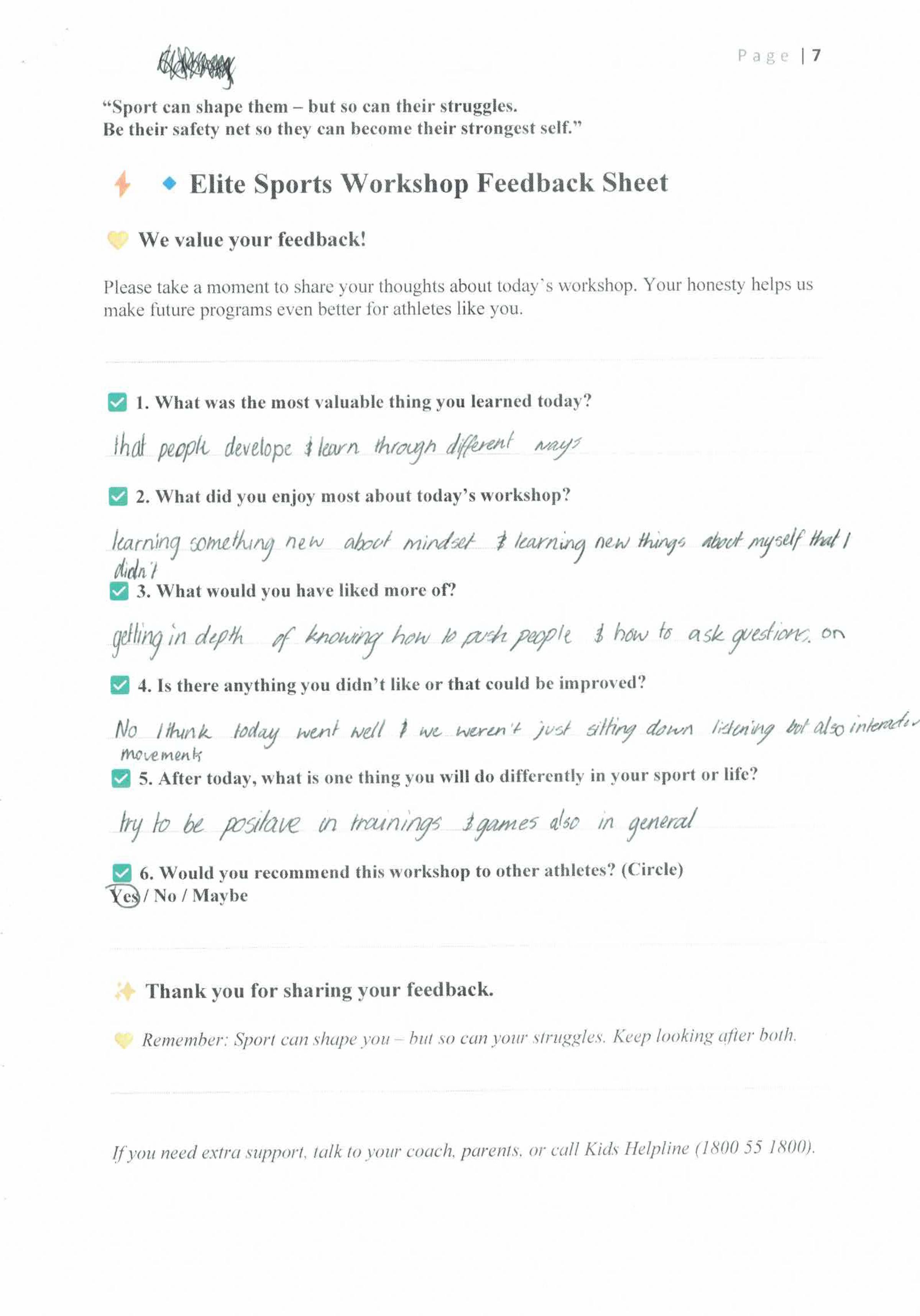
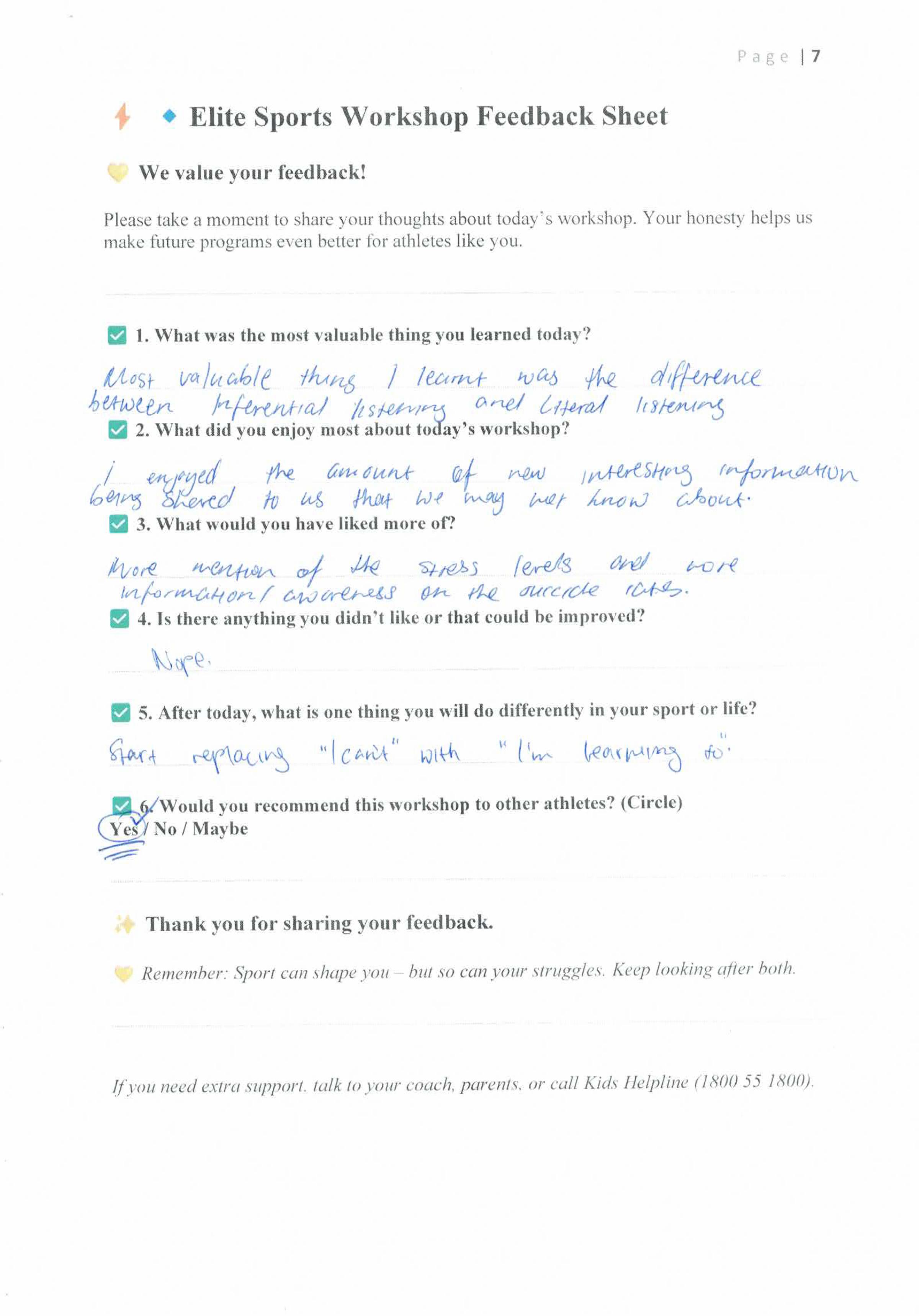
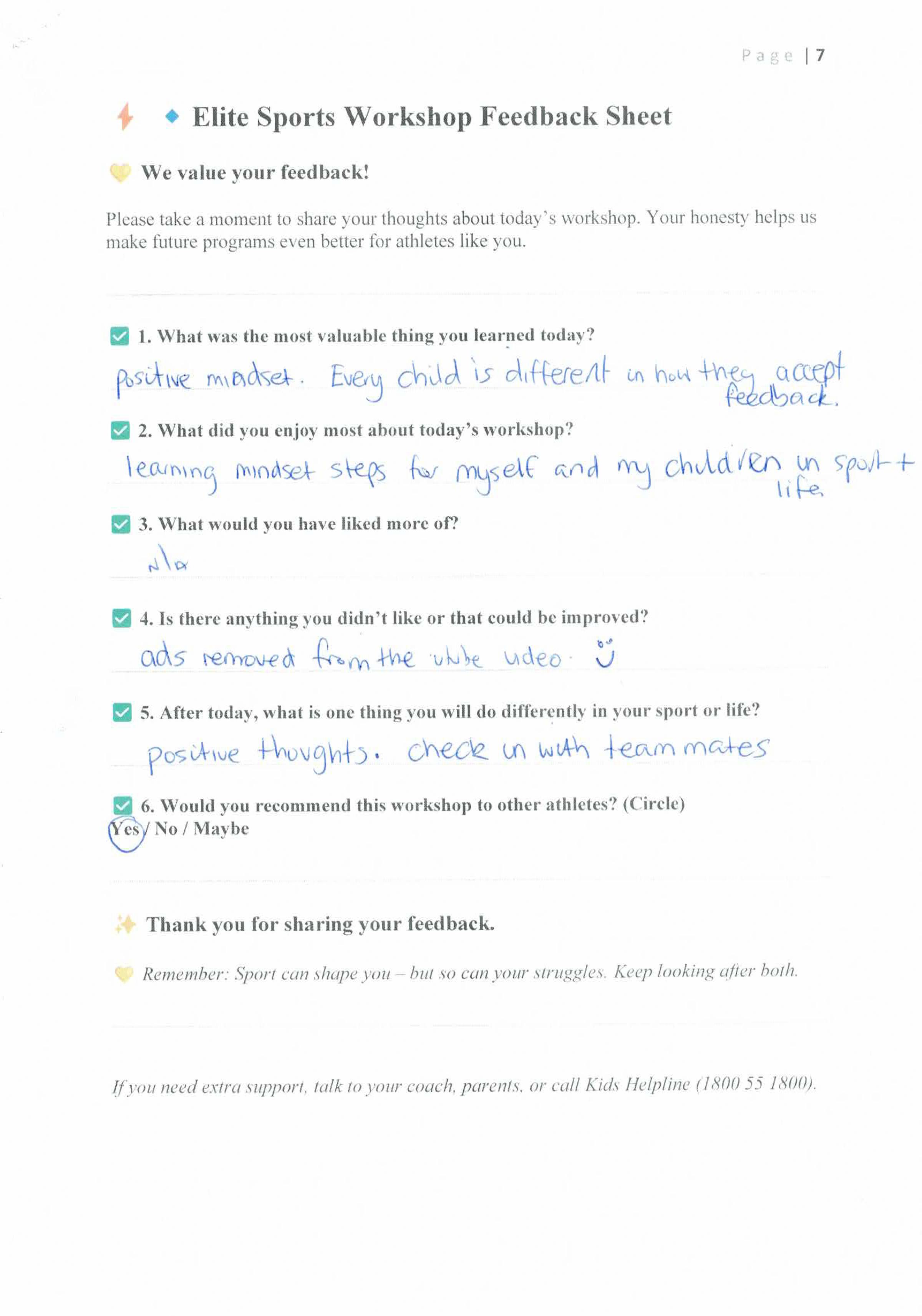
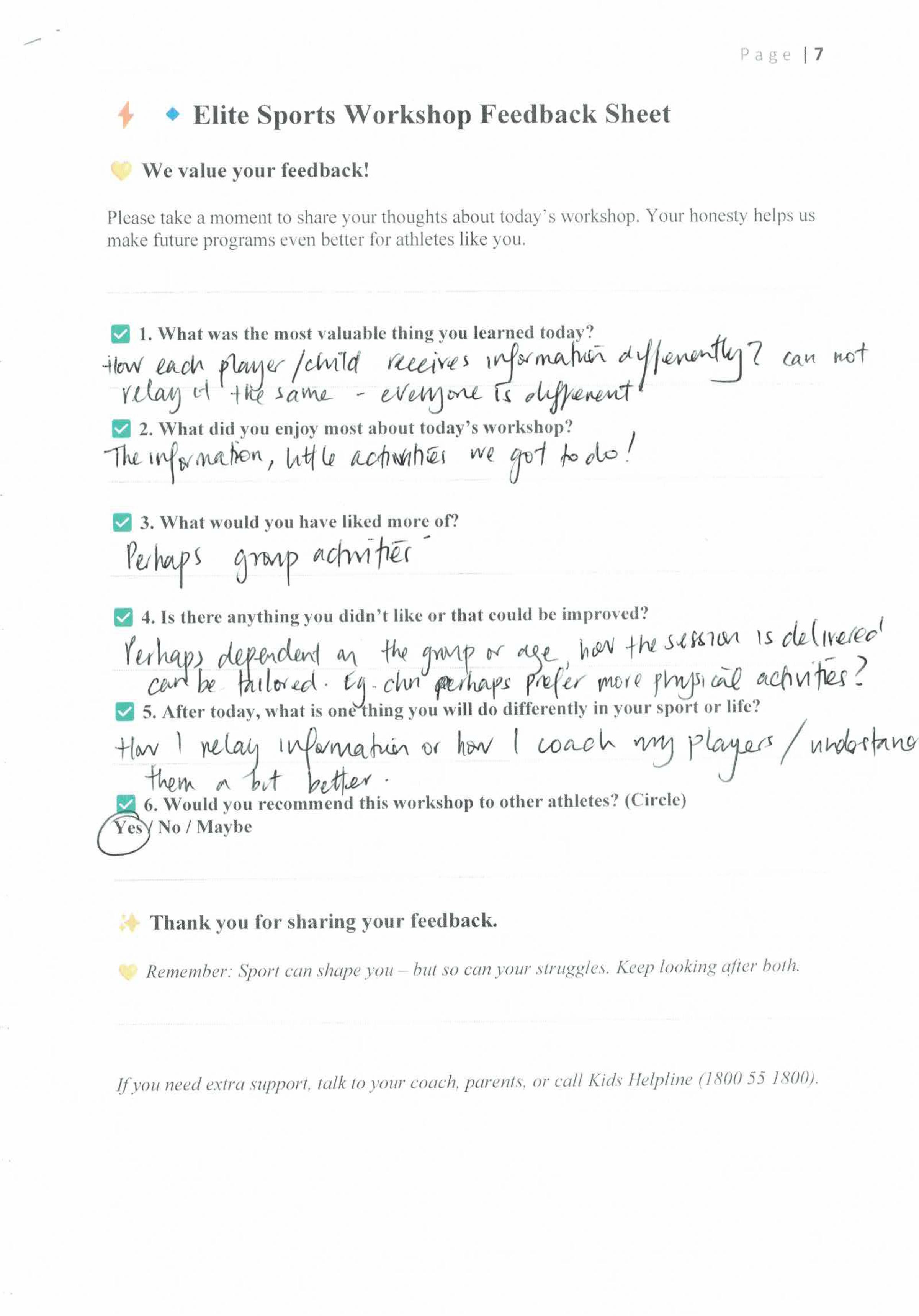
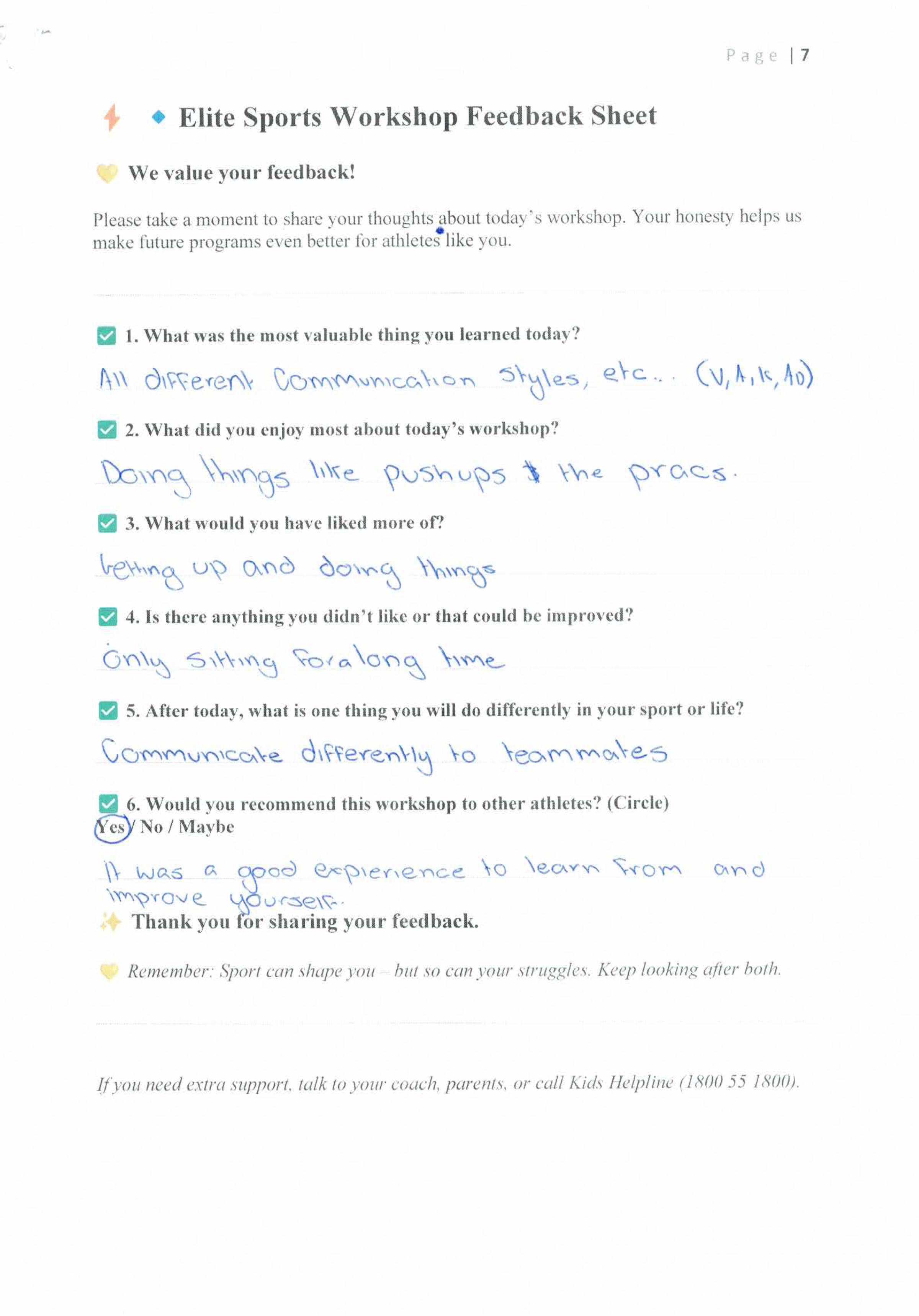
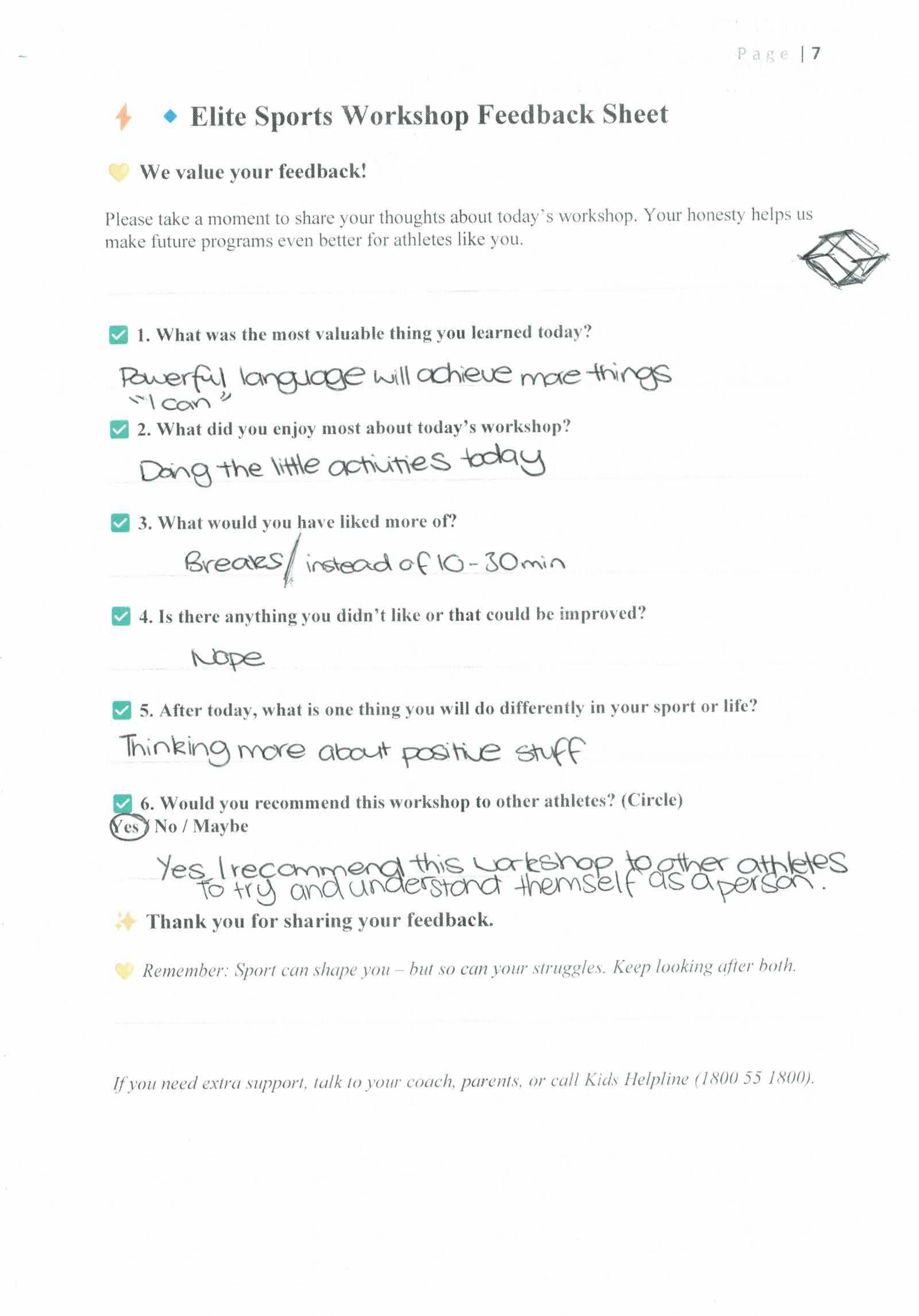
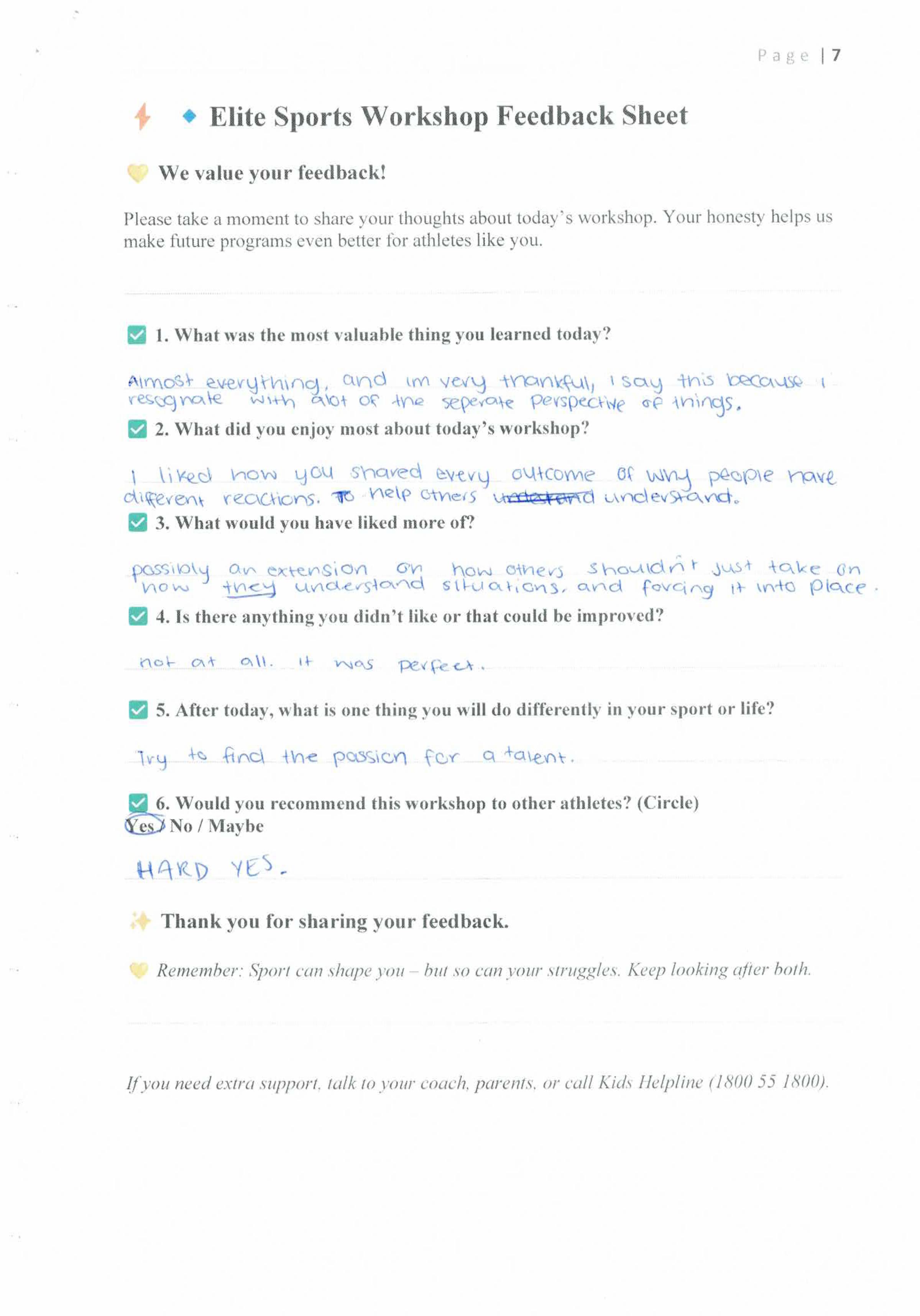
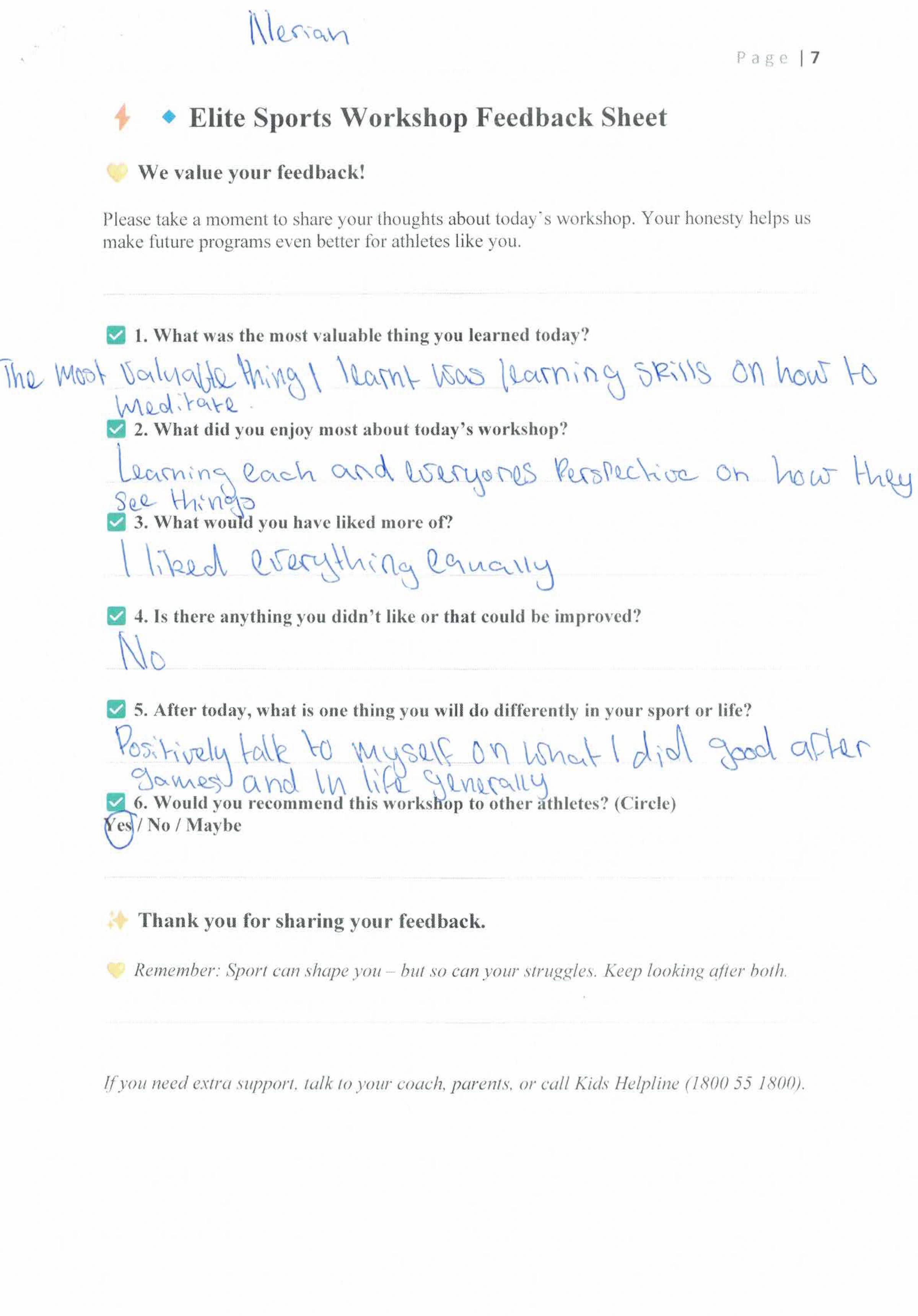
You are not alone in this. And asking for help is not weakness, it's the strongest thing an athlete can do.
Don’t stop until you’re proud.




















© Copyright 2024. Online Master NLP Practitioner Training — Dr Kim Brown. All rights reserved. | PRIVACY POLICY